Streaming Tech Sweden (STSWE) is a single-day, vendor-independent streaming technology conference held in Stockholm. Organized by Eyevinn Technology, it brings together engineers, architects, and product managers working on OTT platforms, live streaming, DRM, ad tech, and cloud-based broadcast infrastructure across the Nordic region and Europe.
Speakers
Click on a speaker card to see session details. View all speakers →
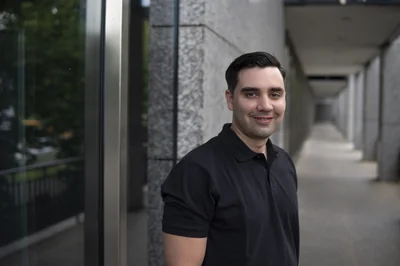
Daniel Silhavy
Fraunhofer FOKUS
Advances in Modern Media Players: CML, L3D, CMCD v2, and Beyond
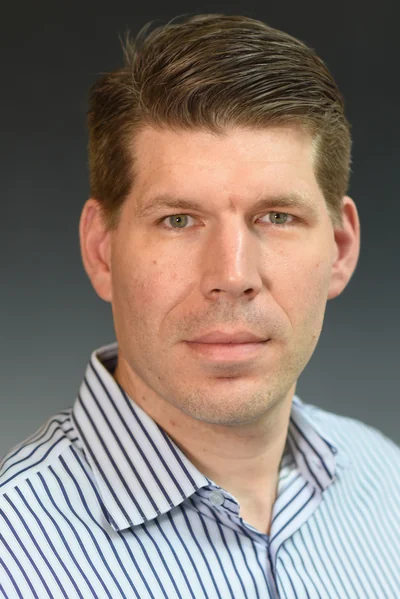
David Eisenbacher
EZDRM
DRM License Scraping in the Real World: Why Traditional DRM Defenses Are No Longer Enough

Per Mafrost
Vindral
Building on a Moving Target: MoQ End-to-End Before the Spec Was Final
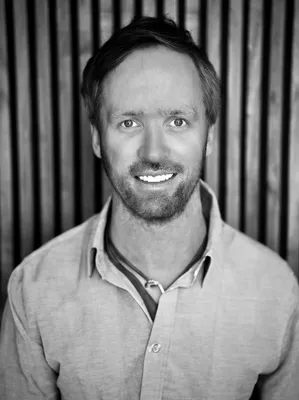
Andreas Lejonlycka
SVT
Producing the Olympics the Modern Way: SVT’s Software-Defined Approach
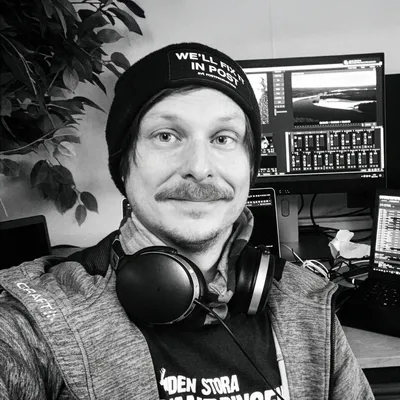
Christoffer Ainek
SVT
Producing the Olympics the Modern Way: SVT’s Software-Defined Approach
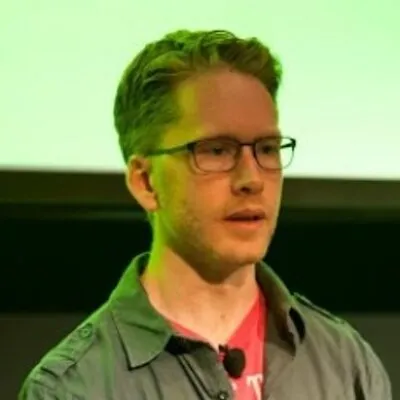
Steve Heffernan
Mux
Video.js v10 — Who knew we were actually building for robots
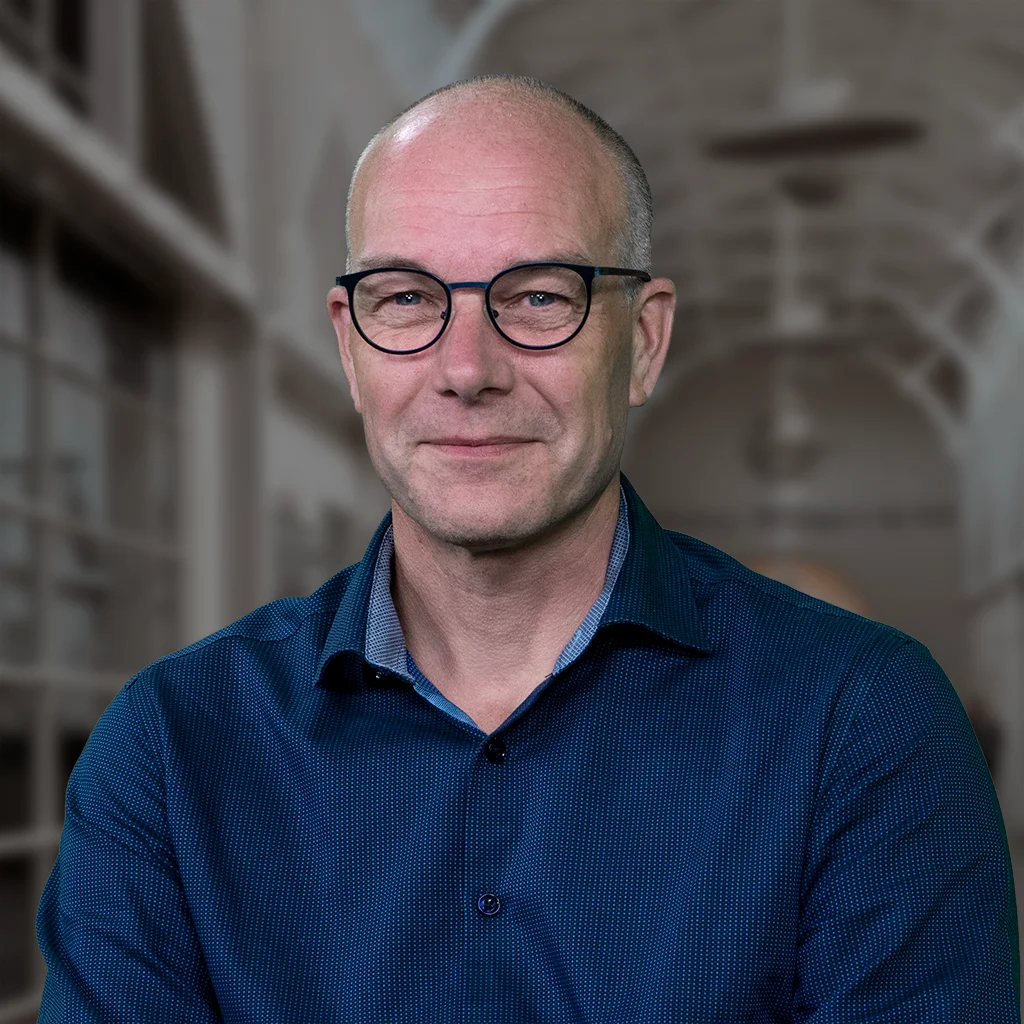
Niels Borg
TV 2 Danmark
OGraf Explained: Open, Interoperable Broadcast Graphics
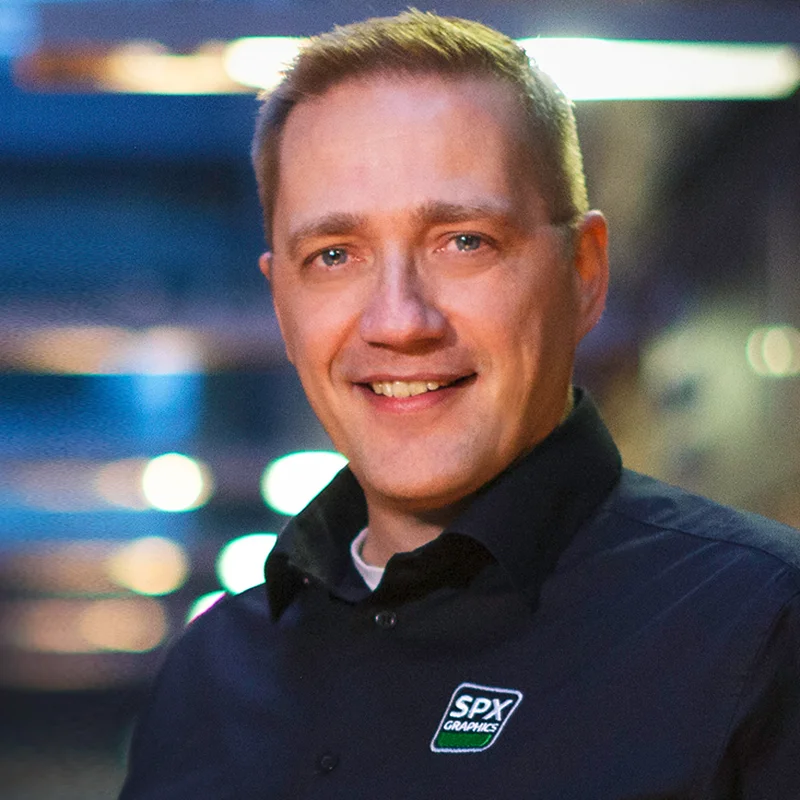
Tuomo Kulomaa
SPX Graphics
OGraf Explained: Open, Interoperable Broadcast Graphics
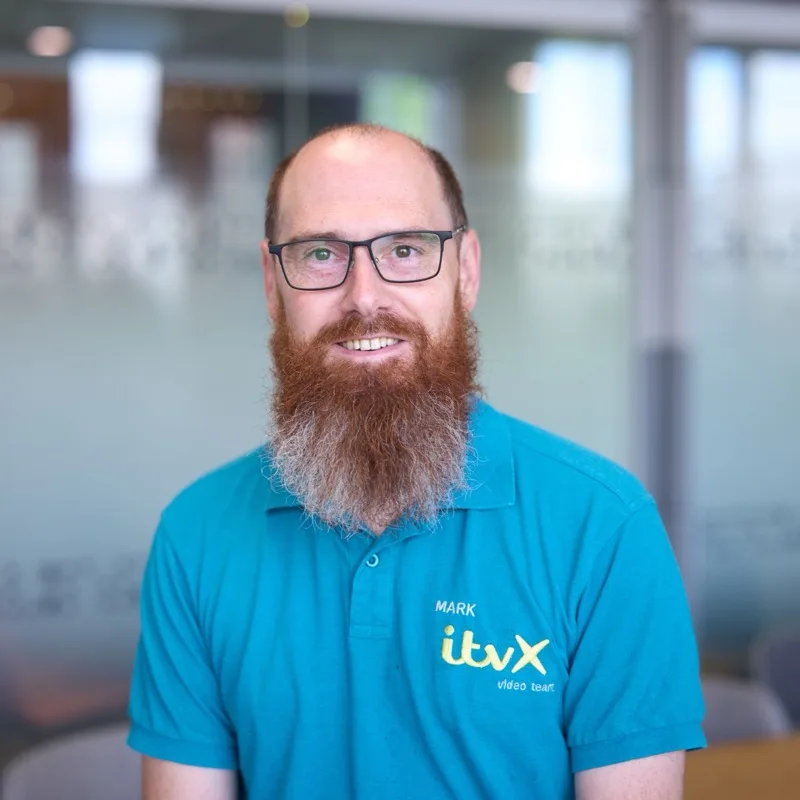
Mark Ison
ITV
Prep for Fifa World Cup 2026
Jim Hall
Fastly
Prep for Fifa World Cup 2026

Michel Roofthooft
Dolby
Prep for Fifa World Cup 2026
David Springall
Yospace
SGAI and Non-Linear Ad Formats: You have 23 missed calls from Dave from Ad Ops
Olivier Cortambert
Yospace
SGAI and Non-Linear Ad Formats: You have 23 missed calls from Dave from Ad Ops
Alex Zambelli
Bitmovin
Driving Contextual Revenue with Scene-Level Intelligence
Will Law
Akamai
Standardizing Speed: An Insider’s Guide to MSF and CMSF
Jannike Croona Broman
TV4
AI built our new linear playout

Märta Rydbeck
Rise
Why is Rise Women in Broadcast needed?
Jonas Birmé
Eyevinn Technology
AI built our new linear playout
Boris Asadanin
Eyevinn Technology
Eye for an eye, truth for a truth
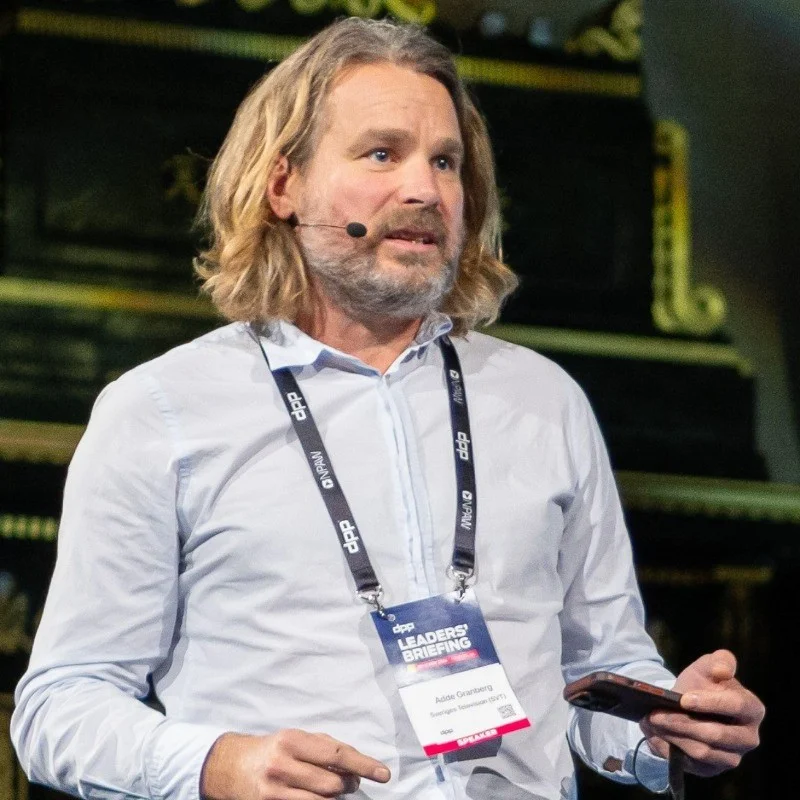
Adde Granberg
SVT
How will media reach the audience in 2035?
Your Hosts
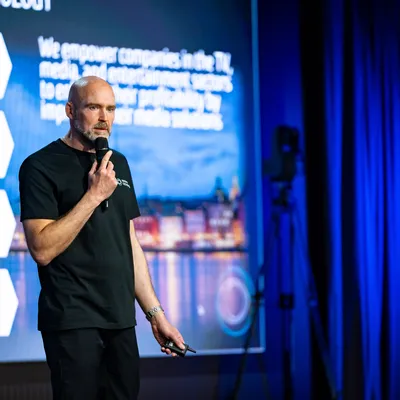
Alexander Björneheim
Eyevinn Technology
Host & Welcome
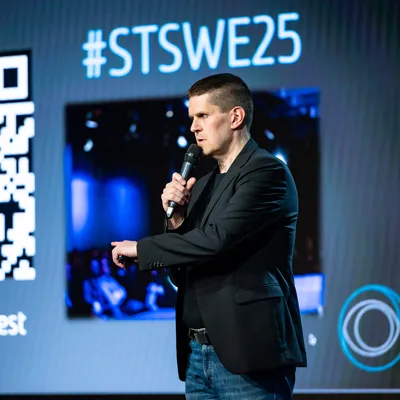
Magnus Svensson
Eyevinn Technology
Host & Welcome
Advances in Modern Media Players: CML, L3D, CMCD v2, and Beyond
This session explores both current and emerging innovations in media streaming players. We introduce the Common Media Library as a foundation for maintaining and distributing shared player functionalities. Moreover, we highlight key industry trends including Low-Latency Low-Delay (L3D) DASH, the next evolution of Common Media Client Data (CMCD) in version 2, Server-Guided Ad Insertion (SGAI), and Content Steering. Wherever suitable, concepts are illustrated through short live demonstrations, with a particular emphasis on practical playback scenarios using the DASH reference player dash.js.
Daniel Silhavy
Fraunhofer FOKUS
Daniel Silhavy is a scientist and senior project manager at the business unit Future Applications and Media (FAME) of the Fraunhofer Institute for Open Communication Systems (FOKUS). He is the lead developer of the dash.js project and the development coordinator of the 5G-MAG Reference Tools. In addition, he is the chair of the ‘Development and Ecosystem-drive WG’ in 5G-MAG and he co-chairs the SVTA ‘Players and Playback’ Working Group. Daniel is actively contributing to standardization work done in SVTA, 5G-MAG and CTA-WAVE, giving lectures at the Technical University of Berlin, and supervising Bachelor and Master theses.
DRM License Scraping in the Real World: Why Traditional DRM Defenses Are No Longer Enough
DRM License Scraping has become one of the most dangerous and scalable piracy threats facing premium streaming platforms today. Rather than attacking encryption directly, modern attackers target the DRM license workflow itself, extracting usable content keys from compromised devices, emulators, or automated scraping environments. This type of attack is especially damaging because a single exposed device or workflow weakness can rapidly scale into large-scale decryption and mass redistribution of protected content.
This session examines how DRM License Scraping works in real-world deployments and why traditional DRM defenses are no longer sufficient. It highlights the challenges of securing license delivery across heterogeneous devices and platforms, and provides insight into practical mitigation strategies that strengthen key protection, reduce the blast radius of compromised devices, and improve the overall resilience of DRM ecosystems against automated key theft.
David Eisenbacher
EZDRM
David Eisenbacher is the CEO and Co-Founder of EZDRM, the original DRM-as-a-Service provider. Under his leadership, EZDRM has delivered scalable multi-DRM solutions used by broadcasters, OTT platforms, and studios worldwide to secure premium video distribution. With decades of experience in digital media security, David has focused on simplifying complex protection technologies while enabling reliable, global deployment. EZDRM continues to pioneer next-generation security innovations aligned with emerging industry standards such as C2PA.
Building on a Moving Target: MoQ End-to-End Before the Spec Was Final
Vindral committed to implementing MoQ end-to-end — contribution, fanout, and last-mile delivery — while the specification was still being written. This session covers the engineering decisions made under that constraint, and will share insights on performance differences and device support.
Per Mafrost
Vindral
Per Mafrost is CTO of Vindral, where he leads strategy, innovation, and engineering across the company’s live streaming infrastructure. Vindral is among the first companies to deploy Media over QUIC end-to-end in production.
Producing the Olympics the Modern Way: SVT’s Software-Defined Approach
Discover how SVT built a scalable, modern production environment using software solutions and internet contribution to cover the Olympic Games.
Andreas Lejonlycka
SVT
Technical Producer with 20 years of experience in outside broadcast and live sports, including the Olympics, World Championships, and the America’s Cup 2017. Currently working in the Production Technology Development team at SVT, as well as serving as Team Lead for Production Operations for SVT’s software production platform.
Producing the Olympics the Modern Way: SVT’s Software-Defined Approach
Discover how SVT built a scalable, modern production environment using software solutions and internet contribution to cover the Olympic Games.
Christoffer Ainek
SVT
Technical Producer at SVT with a background in the agile development sector. Solutions specialist in the DevOps team for SVT’s software production platform.
OGraf Explained: Open, Interoperable Broadcast Graphics
OGraf is an open-source broadcast graphics solution built on web technologies. Niels Borg and Tuomo Kulomaa explain how OGraf enables interoperable, vendor-neutral graphics workflows for live broadcast — and why open standards matter for the future of broadcast graphics infrastructure.
Niels Borg
TV 2 Danmark
Tuomo Kulomaa
SPX Graphics
Video.js v10 — Who knew we were actually building for robots
When we set out to rebuild the world’s most widely used open source video player, we had grand visions of the amazing developer experience we were creating, the many thousands of devs who would be reading our carefully crafted docs, and also the looming repetitive coding of features the team had already built in 5 different players before. Then Opus 4.6 dropped and the world turned upside down.
Traffic to the website was down because fewer people are reading docs for themselves anymore. We found ourselves reviewing plans more than PRs, while our completed story points were increasing weekly. We haven’t abandoned our developer audience, but there’s a new user in town that demands attention, and here’s what we did in response.
Steve Heffernan
Mux
Steve Heffernan (@heff) is the creator of Video.js and Media Chrome, a co-founder of Zencoder and Mux, and has never been to Sweden before.
SGAI and Non-Linear Ad Formats: You have 23 missed calls from Dave from Ad Ops
Following on from their conversation at Demuxed 25, Olivier, the head of streaming architecture and Dave from ad ops get back together to get into the weeds about the practical realities of server-guided ad insertion (SGAI) and how it is — or maybe isn’t — enabling some exciting new CTV-focussed ad formats that the Interactive Advertising Bureau (IAB) are in the process of standardising.
Dave learned a lot from their chat at Demuxed about SGAI, and, despite what Olivier said, has continued to read a lot of very exciting claims about what it will be able to do and all the problems that it will solve singlehandedly. So he’s keener than ever.
So, Olivier, how’s it going?
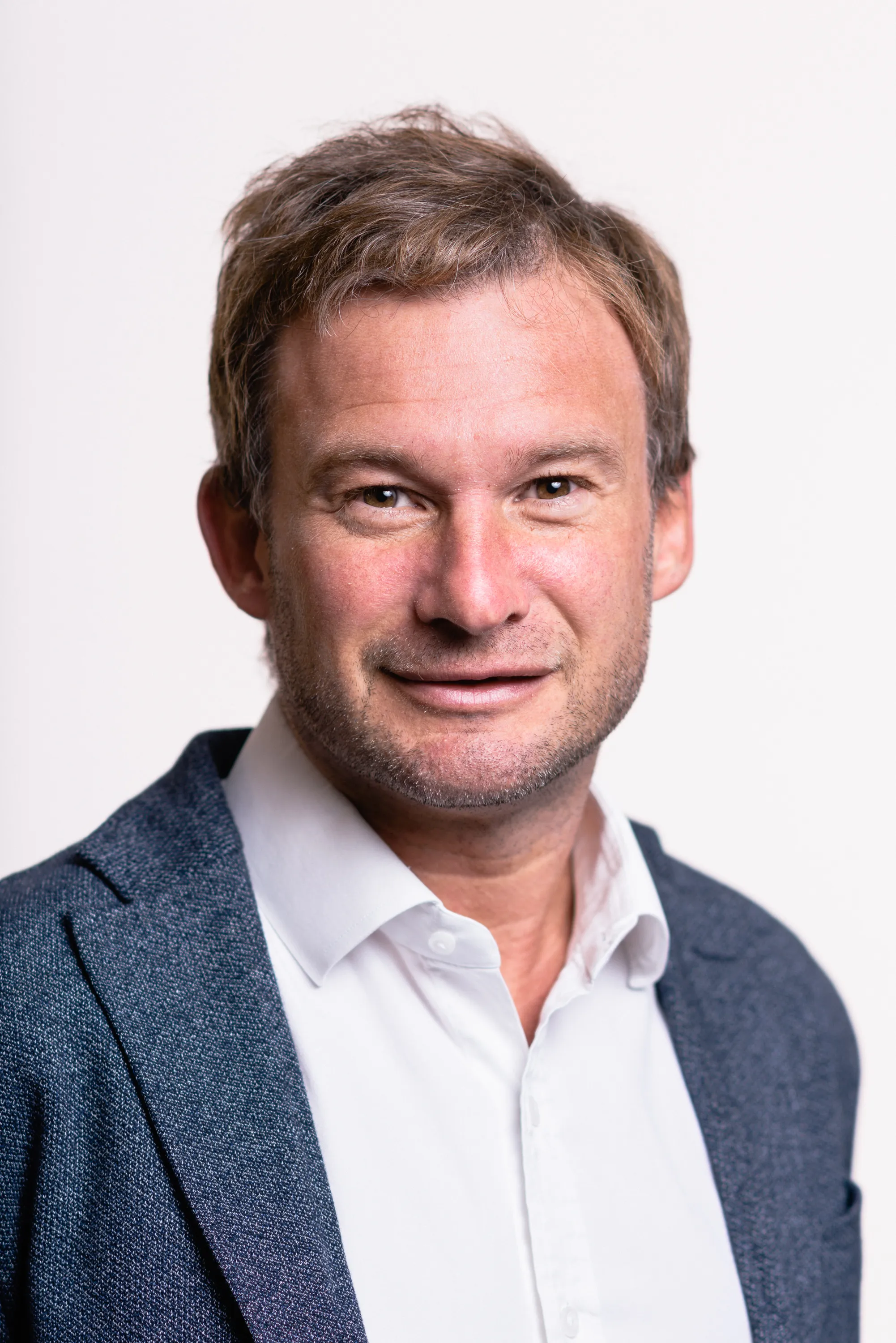
David Springall
Yospace
David Springall founded Yospace in 1999. Under his technical leadership, Yospace has become the global leader in Dynamic Ad Insertion for OTT video. Its technology provides a vital link between broadcast playout systems and ad platforms, enabling server-side, frame-accurate ad insertion/replacement. The solution supports one-to-one addressability at scale and stitches 9 billion advertisements per month for media companies around the world.
SGAI and Non-Linear Ad Formats: You have 23 missed calls from Dave from Ad Ops
Following on from their conversation at Demuxed 25, Olivier, the head of streaming architecture and Dave from ad ops get back together to get into the weeds about the practical realities of server-guided ad insertion (SGAI) and how it is — or maybe isn’t — enabling some exciting new CTV-focussed ad formats that the Interactive Advertising Bureau (IAB) are in the process of standardising.
Dave learned a lot from their chat at Demuxed about SGAI, and, despite what Olivier said, has continued to read a lot of very exciting claims about what it will be able to do and all the problems that it will solve singlehandedly. So he’s keener than ever.
So, Olivier, how’s it going?
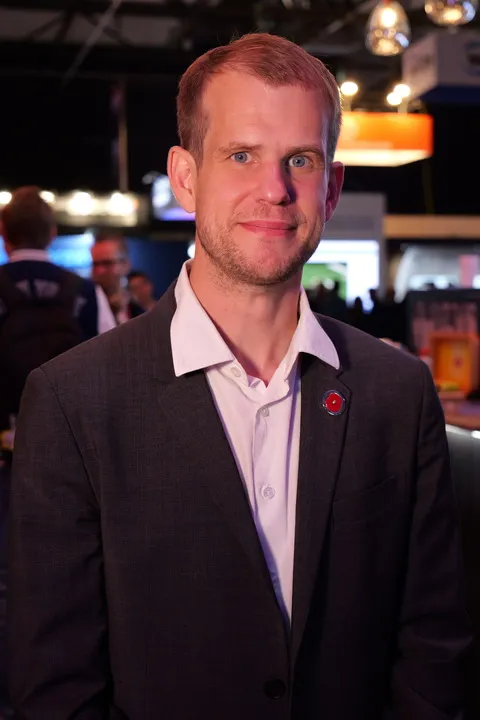
Olivier Cortambert
Yospace
Olivier Cortambert is Head of Solution Architecture at Yospace, the Dynamic Ad Insertion company. He has helped broadcasters monetise some of the biggest live events across the globe, including a summer of sport which saw Yospace stitch over 12bn one-to-one addressable ads across the duration of Euro 2024 and the Paris 2024 Olympics and Paralympics. In 2025, Olivier was elected co-chair of the advertising working group within the Streaming Video Technology Alliance (SVTA).
Driving Contextual Revenue with Scene-Level Intelligence
This talk will explore how AI-powered scene analysis is being used to move beyond manual tagging and static ad breaks. We will examine the technical workflow of extracting granular scene-level metadata — including dialogue, objects, and brand presence — to create a dynamic, frame-by-frame understanding of content context.
We will demonstrate how mapping this intelligence to IAB taxonomies allows streaming providers to deliver hyper-targeted ad experiences that command higher CPMs. Furthermore, we will look at how automated markers and “snackable” short-form previews derived from these scenes are being deployed to reduce discovery barriers and significantly improve subscriber engagement and session retention.
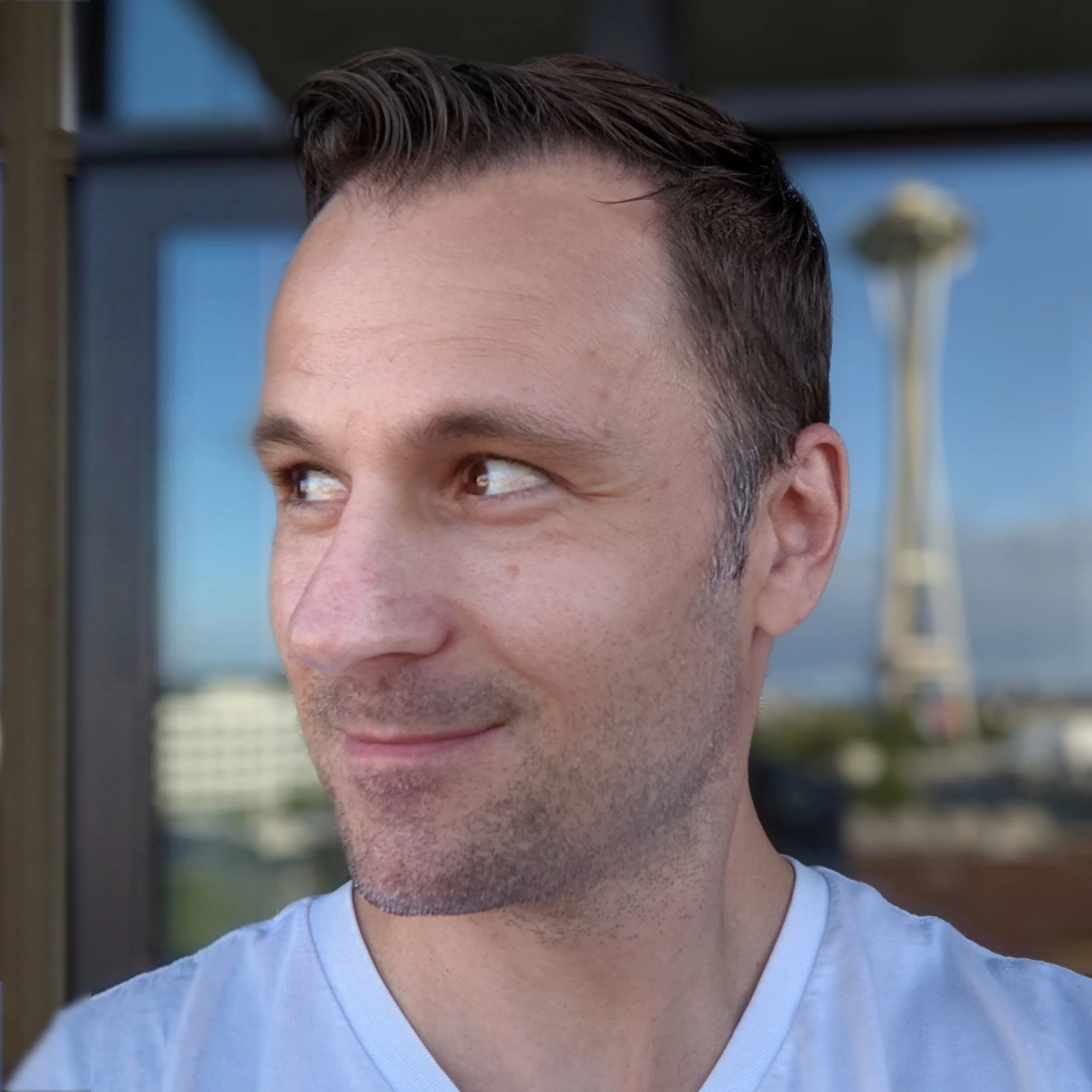
Alex Zambelli
Bitmovin
Standardizing Speed: An Insider’s Guide to MSF and CMSF
The presentation explores how these new streaming formats work, including explanations of the catalog, media timelines and event timelines, content protection, and packaging. We’ll look at how MSF/CMSF differs from HLS/DASH and what innovations they bring to real-time and OTT media distribution.
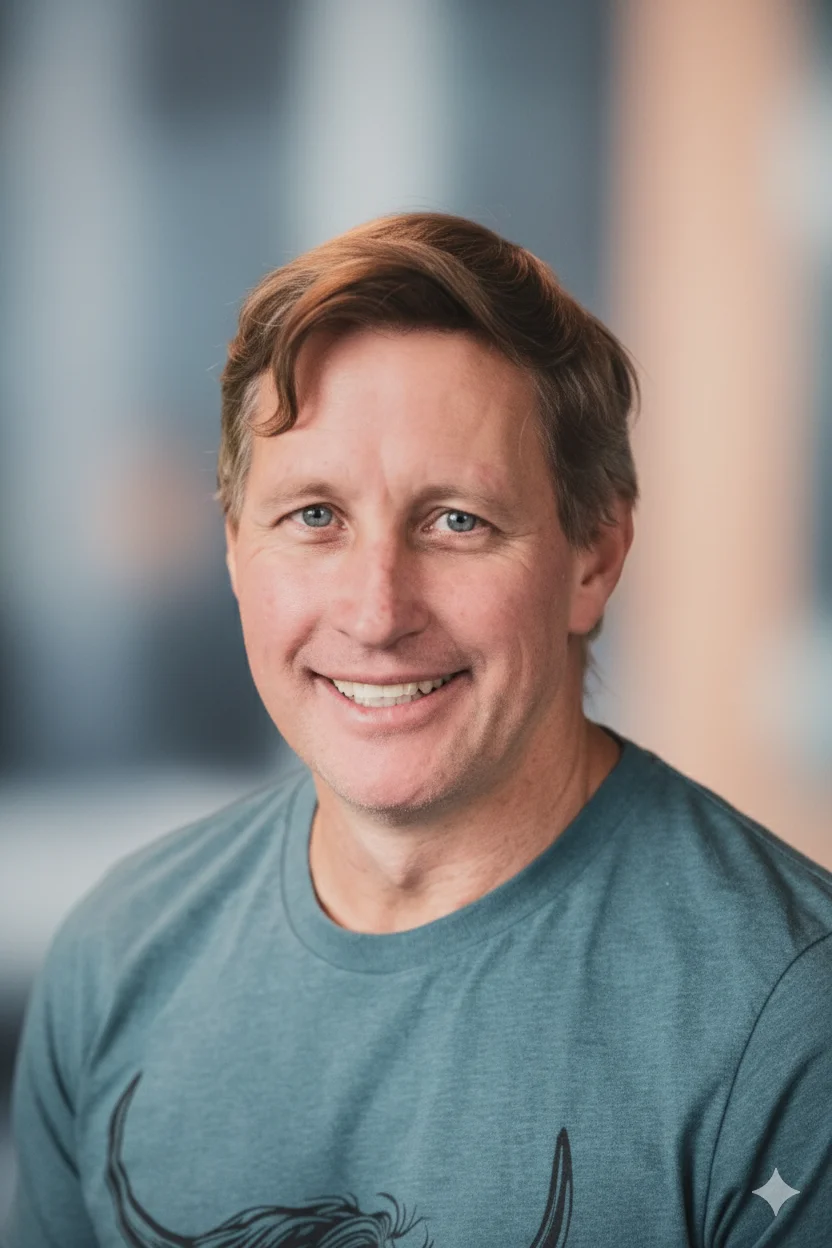
Will Law
Akamai
Will Law is Chief Architect within the Cloud Technology Group at Akamai and a leading media delivery technologist, involved with streaming media on the Internet for the last twenty years. Currently focusing on MOQ, OpenMOQ, MSF, CMSF, WebTransport & CMCD, Law is Co-Chair of the W3C WebTransport Working Group and the CTA Common Media Client Data Working Group and past President of the DASH Industry Forum and Chairman of the CTA WAVE Project. He holds Masters degrees in Aerospace Engineering and an MBA and prior to Akamai worked for a series of engineering and media-related startups.
Why is Rise Women in Broadcast needed?
More and more women are attending media tech courses at the university. But then they don’t end up in the industry. Why?
Rise, Women in Broadcast is the leading global organisation dedicated to fostering gender diversity within the broadcast and media technology sector. Its signature mentoring program is designed to support women working across broadcast and media technology at all stages of their careers. It brings together mentoring, expert-led development sessions, and access to a global Rise community, offering space to reflect, learn, and gain perspective alongside peers and industry leaders.
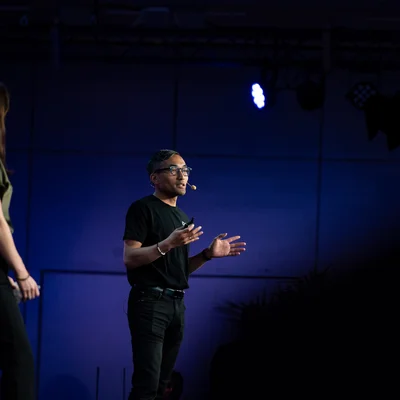
Märta Rydbeck
Rise
Märta Rydbeck brings over 30 years of experience in the broadcast industry to her role as Head of the Nordic Chapter and mentor in Rise. Her experience includes traditional broadcasting, media technology platforms, and cutting-edge content discovery solutions across established and emerging opportunities in the sector. Her commitment to solving industry challenges through innovation, her collaborative approach to business development, and her understanding of evolving content consumption align perfectly with Rise’s mission to empower women in broadcast technology.
Prep for Fifa World Cup 2026
A look at what it really takes to prepare a streaming platform for one of the largest live events in the world. From capacity planning and multi-CDN strategies to content steering and graceful failover, this talk explores how to build resilience at scale.
We’ll cover the growing importance of real-time data through CMCD and observability platforms, the role of lightweight control planes (APIs, Go, KV stores), and challenges like VPN detection and GeoIP consistency.
Finally, we’ll address the industry’s weak spot: testing—why current load testing approaches fall short, and what that means when millions of viewers hit “play” at once.
Mark Ison
ITV
Mark supports the teams at ITV who are responsible for the delivery of linear and VOD streams into ITVX and Freely. Over the last 4 years he has supported the transformation of ITVs video engineering teams, having grown the team from 2 people to a group nearing 45 people and tackled major replatforming of the linear IP delivery systems, including delivering for the nation during the World Cup and more recently the Euros 2024. Mark has spent time in various industries, learning to cut code for embedded systems before moving into industrial image processing, medical systems and retail, before joining Sky UK back in 2014 where he worked on relaunching NOW TV for the European markets and laying some of the groundwork for NBCU’s Peacock.
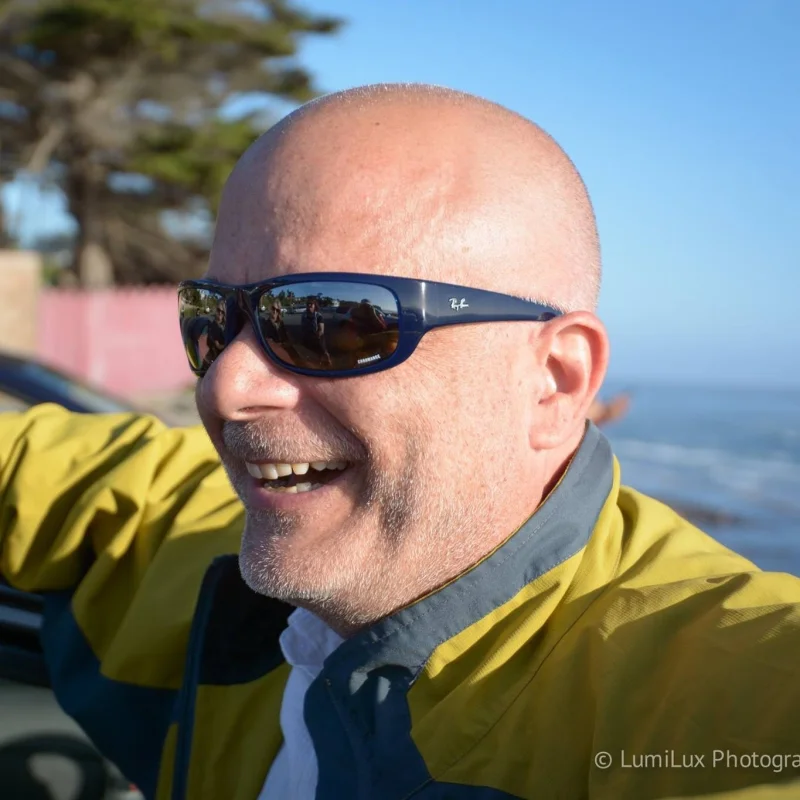
Jim Hall
Fastly
Jim has been delivering video over the Internet since the mid-90s and has been a Media and Entertainment Sales Engineer at Fastly for 8 years. He has worked with many of the top European and US streaming and web publishing brands. In his spare time he collects LEGO and designs visuals for DJs.
Michel Roofthooft
Dolby
Michel Roofthooft brings over 19 years of expertise in OTT engineering, distinguished by his forward-thinking approach and customer-centric leadership rooted in a strong technical foundation. With a background at Liberty Global, a leading multinational telecommunications company, and as Lead Technology and Co-Firestarter at TADAAM, Michel is dedicated to driving innovation in video technology. At Dolby OptiView, he does thought leadership webinars and talks on Server-Guided Ad Insertion (SGAI), sharing insights from his close collaboration with Google and industry partners. He excels in building strong client relationships, helping customers with ad insertion and monetization challenges, and delivering technologies that create substantial value for clients.
AI built our new linear playout
In 2025 we told the story of Iris — how TV4 moved from buying a supply chain to building and customizing one with AI. Project Nova is the next chapter: a software-based, cloud-native linear playout system built with AI coding agents, with AI-based planning and scheduling, native rights-management integration, and a direct handoff from the Iris supply chain into playout.
While the rest of the industry is using AI to optimize scheduling inside legacy playout platforms, we used AI to build the playout platform itself. In this talk Jannike covers the business case and the operational reality at TV4; Jonas walks through the architecture, the human–AI collaboration that produced it, and what it takes to trust AI-built software on a linear channel.
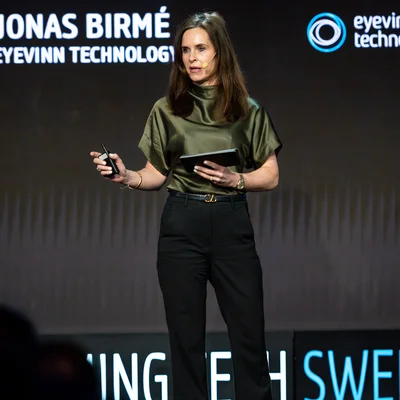
Jannike Croona Broman
TV4
Jannike Croona Broman is the Head of TV Operations at TV4/MTV, specializing in technology driven transformation, operational efficiency, and process optimization within the media industry. She has led major initiatives to streamline workflows, enhance cross-country synergies, and drive cost efficiencies. With a strong background in management consulting at Accenture, she brings a strategic approach to improving operations. Having been with TV4 for nine years, she is passionate about leveraging technology and collaboration to drive the future of TV operations and efficiency.
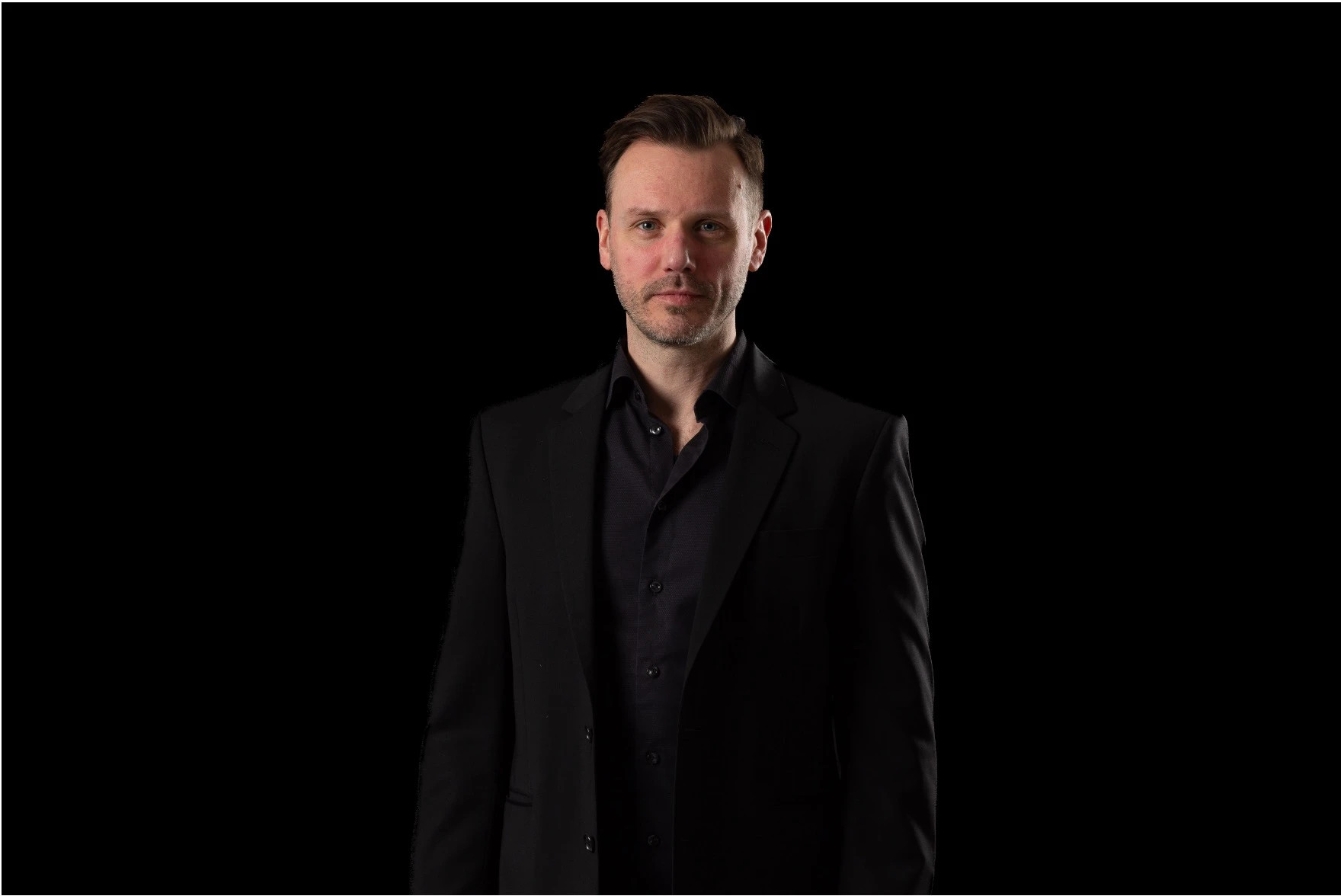
Jonas Birmé
Eyevinn Technology
VP R&D Eyevinn and Open Source Ambassador. With the range of experience from transforming TV- and media-production to a fully digital and tape-less workflows to the distribution over the Internet enabled by streaming technology, Jonas understands the impact technology has on both business and consumer side. By providing the industry with open source test tools and frameworks based on this experience Eyevinn is helping their customers to ensure that revenue critical features are working as expected.
Eye for an eye, truth for a truth
Content today comes from more sources than ever and reaches us across more platforms and in more formats. Every stop along the way is a risk of distortion. The question is how we ensure that what leaves the source is also what reaches the viewer. And what does that mean for broadcasters and the trust they live on.
Boris Asadanin
Eyevinn Technology
Experienced leader with extensive expertise in product management, business development, and partnerships within the streaming and telecommunications industries. Skilled in defining and communicating solutions, establishing relationships, and leading cross-functional teams to deliver innovative solutions. Proven success in launching transformative products, managing stakeholder relationships, and driving market expansion through innovative technology and customer-focused strategies.
How will media reach the audience in 2035?
The presentation explores how AI, personalization, and immersive technologies will fundamentally reshape how audiences consume video by 2035. In a provocative and forward-looking keynote, the presentation outlines three future viewer behaviors: the “served viewer,” guided by AI agents that curate content before users even ask; the “surprise viewer,” seeking authentic, shared experiences beyond algorithmic recommendations; and the “immersed viewer,” consuming content through spatial computing and AR interfaces where screens disappear entirely.
Adde Granberg
Innovation Lead, SVT
Adde Granberg is the Innovation Lead at Swedish Television (SVT) and has worked in the television industry since 1991. He started out his career at Swedish youth channel ZTV as a sound engineer, which gave him the perfect grounding in TV production and the opportunity to gain hands-on experience about broadcast production and post-production operations.
From 1994 until 2010 he ran his own broadcast consultancy, where he began to specialise in live events — managing the broadcast operations or director for high-profile sporting events such as the UEFA Champions League, women’s euro, the World Ice Hockey Championships and World Athletics Championships.
In 2007, he joined HDR, a leading Swedish outside broadcast company that constructed and rented out OB trucks. And in 2010 he joined Swedish Television (SVT) with a remit to improve the technical infrastructure and workflow at the station. He was responsible for managing the remote TV production for the 2012 London Olympic Games and the 2014 FIFA World Cup in Brazil, and is currently moving SVT towards an IP and cloud-based future.
2026 program
Full day programme — May 21, 2026
| Time | Session |
|---|---|
| 08:30 | Registration & Coffee |
| 09:00 | Welcome and introduction Alexander Björneheim + Magnus Svensson — Eyevinn Technology |
| 09:15 | Producing the Olympics the Modern Way: SVT’s Software-Defined Approach Andreas Lejonlycka + Christoffer Ainek — SVT |
| 09:40 | OGraf Explained: Open, Interoperable Broadcast Graphics Niels Borg + Tuomo Kulomaa — TV 2 Danmark + SPX Graphics |
| 10:05 | Prep for Fifa World Cup 2026 |
| 10:30 | Coffee Break |
| 11:00 | AI built our new linear playout Jannike Croona Broman + Jonas Birmé — TV4 + Eyevinn Technology |
| 11:25 | SGAI and Non-Linear Ad Formats: You have 23 missed calls from Dave from Ad Ops David Springall + Olivier Cortambert — Yospace |
| 11:50 | Driving Contextual Revenue with Scene-Level Intelligence Alex Zambelli — Bitmovin |
| 12:15 | Why is Rise Women in Broadcast needed? Märta Rydbeck — Rise |
| 12:20 | Lunch & Networking |
| 13:20 | How will media reach the audience in 2035? Adde Granberg — SVT |
| 13:45 | DRM License Scraping in the Real World: Why Traditional DRM Defenses Are No Longer Enough David Eisenbacher — EZDRM |
| 14:10 | Building on a Moving Target: MoQ End-to-End Before the Spec Was Final Per Mafrost — Vindral |
| 14:35 | Standardizing Speed: An Insider’s Guide to MSF and CMSF Will Law — Akamai |
| 15:00 | Coffee Break |
| 15:30 | Eye for an eye, truth for a truth Boris Asadanin — Eyevinn Technology |
| 15:55 | Advances in Modern Media Players: CML, L3D, CMCD v2, and Beyond Daniel Silhavy — Fraunhofer FOKUS |
| 16:20 | Video.js v10 — Who knew we were actually building for robots Steve Heffernan — Mux |
| 16:45 | Closing & Networking |
Session recordings
Watch all STSWE26 sessions on Streaming Tech TV+
Missed STSWE25?
Watch all talks from last year on Streaming Tech TV+
Venue

Hotel At Six
Brunkebergstorg 6, 111 51 Stockholm, Sweden
Hotel At Six is one of Stockholm’s premier event venues, situated at Brunkebergstorg in the heart of the city. Steps from T-Centralen and with easy access from Arlanda Airport, it offers a sophisticated setting for the Nordic streaming tech community to gather, learn, and connect.
FAQ
Where can I watch the 2026 session recordings?
All session recordings from Streaming Tech Sweden 2026 are available on Streaming Tech TV+ at plus.streamingtech.se.
When and where was Streaming Tech Sweden 2026?
Streaming Tech Sweden 2026 (#STSWE26) took place on May 21, 2026 at Hotel At Six, Brunkebergstorg 6, 111 51 Stockholm, Sweden.
Who spoke at Streaming Tech Sweden 2026?
Speakers included Daniel Silhavy (Fraunhofer FOKUS), David Eisenbacher (EZDRM), Per Mafrost (Vindral), Andreas Lejonlycka, Christoffer Ainek and Adde Granberg (SVT), Niels Borg (TV 2 Danmark), Tuomo Kulomaa (SPX Graphics), Steve Heffernan (Mux), Will Law (Akamai), Mark Ison (ITV), Jim Hall (Fastly), Michel Roofthooft (Dolby), Jannike Croona Broman (TV4), Jonas Birmé and Boris Asadanin (Eyevinn Technology), David Springall and Olivier Cortambert (Yospace), Alex Zambelli (Bitmovin), and Märta Rydbeck (Rise).
What topics were covered at Streaming Tech Sweden 2026?
STSWE26 covered DASH/HLS media players, DRM and content security, Media over QUIC (MoQ), live sports production, cloud-based broadcast playout, ad tech and SSAI, scene-level video intelligence, AI in media workflows, and Nordic broadcasting.
Does Streaming Tech Sweden have sponsors?
No. Streaming Tech Sweden has a strict no-sponsors policy so we can independently choose the topics and speakers that the community finds most important and relevant.
Streaming Tech TV
Live channel with highlights from previous events